

No products in the cart.
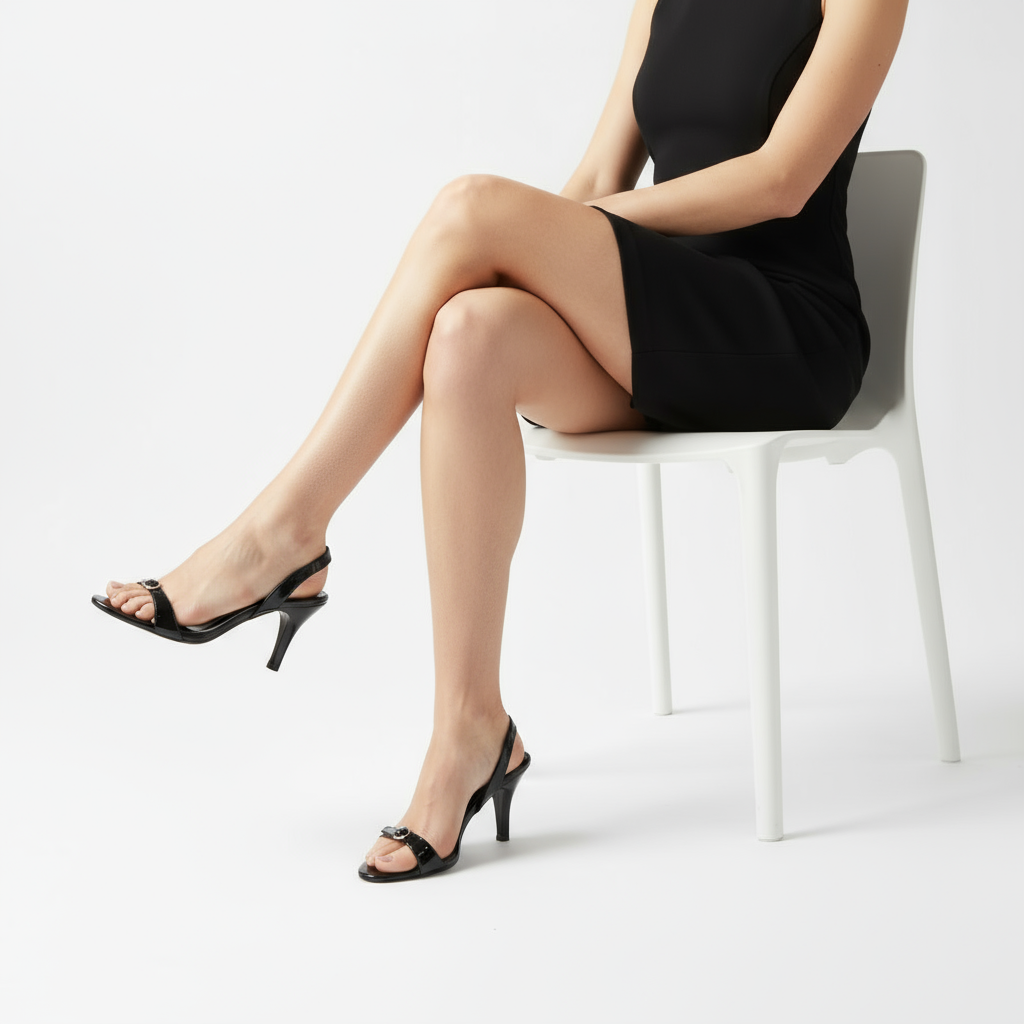
Walking in heels can feel unfamiliar when you’re just starting.
Your steps feel different. Your balance feels different. And the more you think about every movement, the less natural walking can seem.
The goal isn’t to imitate a runway walk.
It’s to choose a pair you can manage, give yourself time to practise and move in a way that feels controlled and natural.
Beginner Checklist
| Before you start | What to check |
|---|---|
| Heel height | Start with a manageable height |
| Fit | Foot secure, toes not painfully compressed |
| Heel base | A broader base may feel more stable |
| Surface | Practise on a clean, predictable surface |
| Steps | Keep them controlled rather than exaggerated |
| Time | Build familiarity gradually |
1. Start with the Right Pair
Learning to walk in heels becomes much harder if the shoes don’t fit.
Your feet shouldn’t slide excessively forward, your toes shouldn’t be painfully squeezed and the heel should feel reasonably stable.
If you’re still choosing a pair, start with our guide: How to Choose the Right Heels for Your Foot Type.
2. Don’t Begin with Your Highest Heels
If you’ve rarely worn heels, you don’t need to start with the tallest pair you can find.
A lower or moderate height gives you an opportunity to become familiar with elevated footwear before experimenting with more dramatic silhouettes.
3. Consider a Broader Heel Base
A block heel or another broader base may feel more stable for some beginners than a very narrow heel.
That doesn’t mean you can never wear narrow heels.
It simply gives you another option while you’re learning what works for you.
4. Stand Before You Walk
Put the shoes on and spend a moment simply standing.
Notice how your weight feels.
You shouldn’t feel as though you’re immediately fighting to remain balanced.
If standing still already feels extremely difficult, reconsider the heel height or fit before practising your walk.
5. Take Natural, Controlled Steps
Don’t force an exaggerated stride.
Start with relatively short, controlled steps and allow your movement to become more natural as you gain familiarity.
Trying to walk too quickly can make you feel less stable.
6. Look Ahead
When people are nervous in heels, it’s tempting to watch every step.
Occasionally checking the ground is sensible, especially on unfamiliar surfaces, but constantly looking straight down can make your movement feel awkward.
Look ahead and stay aware of what’s in front of you.
7. Slow Down on Turns
Changing direction can feel different in elevated footwear.
Give yourself enough space to turn naturally rather than pivoting suddenly.
This is especially important while you’re still getting used to the pair.
8. Practise on Different Safe Indoor Surfaces
Once you’re comfortable on one clean, flat surface, try another appropriate indoor surface.
Different flooring can change how the footwear feels.
Avoid deliberately practising on unsafe or slippery surfaces just to challenge yourself.
9. Pay Attention to Stairs
Take your time.
Use a handrail where available and place your foot carefully.
There’s no prize for moving quickly.
10. Learn What the Shoes Are Telling You
Practising isn’t about forcing yourself through pain.
If the footwear repeatedly slips, squeezes your toes, rubs heavily or feels unstable, the issue may be the shoes rather than your walking technique.
11. Build Up Wearing Time Gradually
You don’t need to wear new heels for an entire evening on day one.
Spend some time getting used to them indoors first.
Longer events create different demands, so our guide to choosing comfortable heels for long hours can help when you’re preparing for an occasion.
12. Match the Heel to the Day
Even once you’re confident in heels, not every pair suits every plan.
Think about the venue, walking distance, surfaces and how long you’ll be wearing them.
The ability to walk in a particular heel doesn’t automatically make it the best choice for every occasion.
13. Confidence Comes from Familiarity
The more natural the shoes feel, the less you’ll think about every individual step.
That familiarity comes from wearing a pair that fits, practising safely and choosing a height appropriate for your experience.
You don’t need to rush it.
Your Walk Should Still Feel Like Yours
Heels can change your silhouette, but they shouldn’t require you to become someone else.
Start with a pair you can manage. Walk naturally. Give yourself time.
Explore the TwoSolez Heels Collection when you’re ready to find the pair for your next plan.
Because some shoes are worn. Some are remembered.
Frequently Asked Questions
How can beginners learn to walk in heels?
Start with a manageable heel height and well-fitting footwear. Practise indoors on safe, flat surfaces using controlled, natural steps.
Are block heels easier for beginners?
Some beginners find the broader base of a block heel more stable than a narrow heel. Individual fit and heel height still matter.
Should I take smaller steps in heels?
Controlled, relatively shorter steps can feel more natural when you’re getting used to elevated footwear. Avoid forcing an exaggerated walking style.
How long does it take to get used to heels?
There is no fixed timeframe. It depends on the footwear, heel height, fit and how often you wear elevated shoes.
Should heels hurt while I’m practising?
Footwear shouldn’t require you to ignore significant pain. Strong pressure, squeezing, rubbing or instability can indicate a fit or design issue.
Is it better to practise heels at home?
A clean, safe indoor environment can be useful for becoming familiar with a new pair before relying on it for an event.